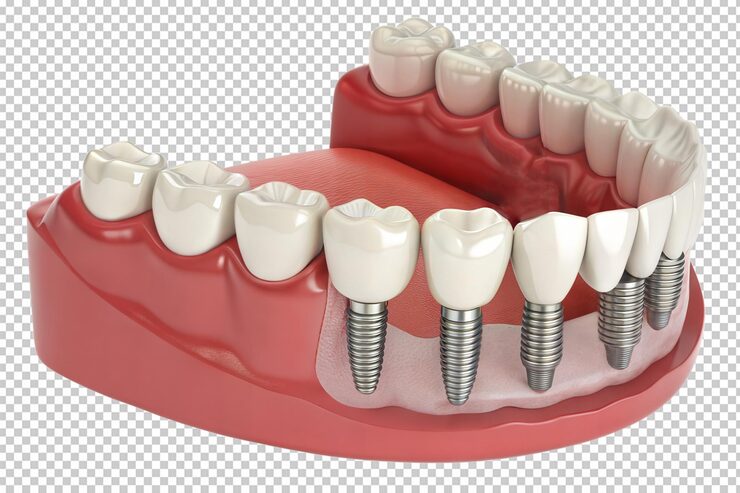
A tooth extraction is usually considered when a tooth cannot be safely repaired or keeping it could cause further dental problems. Dental extractions in Harrisonburg may be recommended for severe decay, advanced damage, infection, or other concerns that affect the health of your mouth. However, removing a tooth is not always the first choice. When possible, saving the natural tooth may be preferred. A dental assessment can help determine whether extraction is truly needed and what options may be available.
Understanding the common reasons for removal can help you make a more informed decision about your dental care.
When Is Tooth Extraction Necessary?
A tooth may need to be removed if it is too damaged to fix with a filling, crown, or other treatment. Your dentist will check the tooth, gums, and nearby bone before deciding.
Common reasons for tooth removal include:
- Severe tooth decay
- A badly broken or cracked tooth
- A serious tooth infection
- Severe gum disease=====
- Crowding that affects treatment
- A tooth that cannot be repaired
A dentist in Harrisonburg can check the area and explain if tooth removal is the right choice.
Can Severe Tooth Decay Require an Extraction?
A cavity does not automatically mean a tooth needs to be removed. Early decay may often be treated with a filling, while more extensive damage may require a crown or root canal treatment.
If a cavity has damaged most of the tooth, there may not be enough healthy tooth left to fix it. In this case, your dentist may recommend removing the tooth to help prevent further problems.
What Happens When a Tooth Is Badly Broken?
A tooth can break because of an injury, biting something hard, or weakening from decay. A small chip may be repaired, but a deep crack or major break can make the tooth difficult to restore.
If the damage extends below the gum or affects a large part of the tooth, extraction may sometimes be recommended. An examination is needed to determine whether the tooth can still be repaired.
Can an Infection Make Extraction Necessary?
A dental infection does not always require extraction. Depending on the tooth and the source of the infection, treatment such as a root canal may be able to save it.
However, when a tooth is severely damaged and cannot be restored, removing it may be the safest option. Prompt dental care is important when you have swelling, severe pain, fever, or other signs of infection.
Does Gum Disease Ever Lead to Tooth Removal?
Advanced gum disease can weaken the tissues and bone that hold a tooth in place. If a tooth becomes very loose and cannot be supported, removal may be necessary.
Treatment decisions depend on how much support remains and whether the tooth can be stabilized. Regular dental care can help identify gum problems before they reach this stage.
When Is Extraction Used for Crowded Teeth?
In some cases, there may not be enough room for all the teeth to fit properly. Extraction can sometimes be part of an orthodontic treatment plan when crowding is significant.
This does not mean that every crowded mouth requires tooth removal. The decision depends on the position of the teeth, available space, bite, and overall treatment goals.
What Should You Expect During a Dental Extraction?
During dental extractions, the tooth and surrounding area are carefully assessed before treatment. Local anaesthetic is commonly used to numb the area so you do not feel the procedure itself.
The exact steps depend on the tooth and how difficult it is to remove. Afterward, you will receive instructions for caring for the area while it heals.
Following these instructions can help support normal healing.
What Should You Do After an Extraction?
After the tooth is removed, taking care of the area helps it heal. Your dentist may give you specific instructions based on your treatment.
General care may include:
- Follow all care instructions.
- Avoid smoking or tobacco while the area heals.
- Eat soft foods at first.
- Keep your mouth clean as advised.
- Do not put extra pressure on the area.
- Contact your dentist if you notice unusual symptoms.
If you are looking for dental extractions in Harrisonburg, ask your dentist how long healing may take and how to care for the area at home.
Are There Alternatives to Tooth Extraction?
Whenever possible, saving a natural tooth may be considered. Depending on the problem, possible treatments can include:
- Fillings for certain cavities
- Crowns for weakened teeth
- Root canal treatment for some infected teeth
- Gum treatment for certain gum problems
A dentist near you can explain which options may be suitable based on the condition of your tooth.
Make an Informed Choice About Your Tooth!
Tooth extraction can be necessary when a tooth is severely damaged, infected, unstable, or cannot be restored safely. A careful assessment can help determine whether removal is needed or whether another treatment may save the natural tooth.
Book an appointment with Blue Stone Hills Dentistry to have your tooth evaluated and discuss the treatment option that best supports your dental health.
FAQs
Does tooth pain always mean an extraction is needed?
No. Tooth pain can have many causes, and some painful teeth can be treated without removal. An examination is needed to find the cause.
Can a badly decayed tooth be saved?
Sometimes. If enough healthy tooth remains, a filling, crown, or root canal may be possible. Severe damage may make extraction necessary.
Is extraction the first treatment option?
Usually, the decision depends on whether the tooth can be predictably repaired and kept healthy. Removal may be considered when saving the tooth is not practical.
How do you know if a tooth is too damaged to repair?
A dental examination, and sometimes an X-ray, can show how much of the tooth remains and whether the surrounding structures are healthy enough to support treatment.