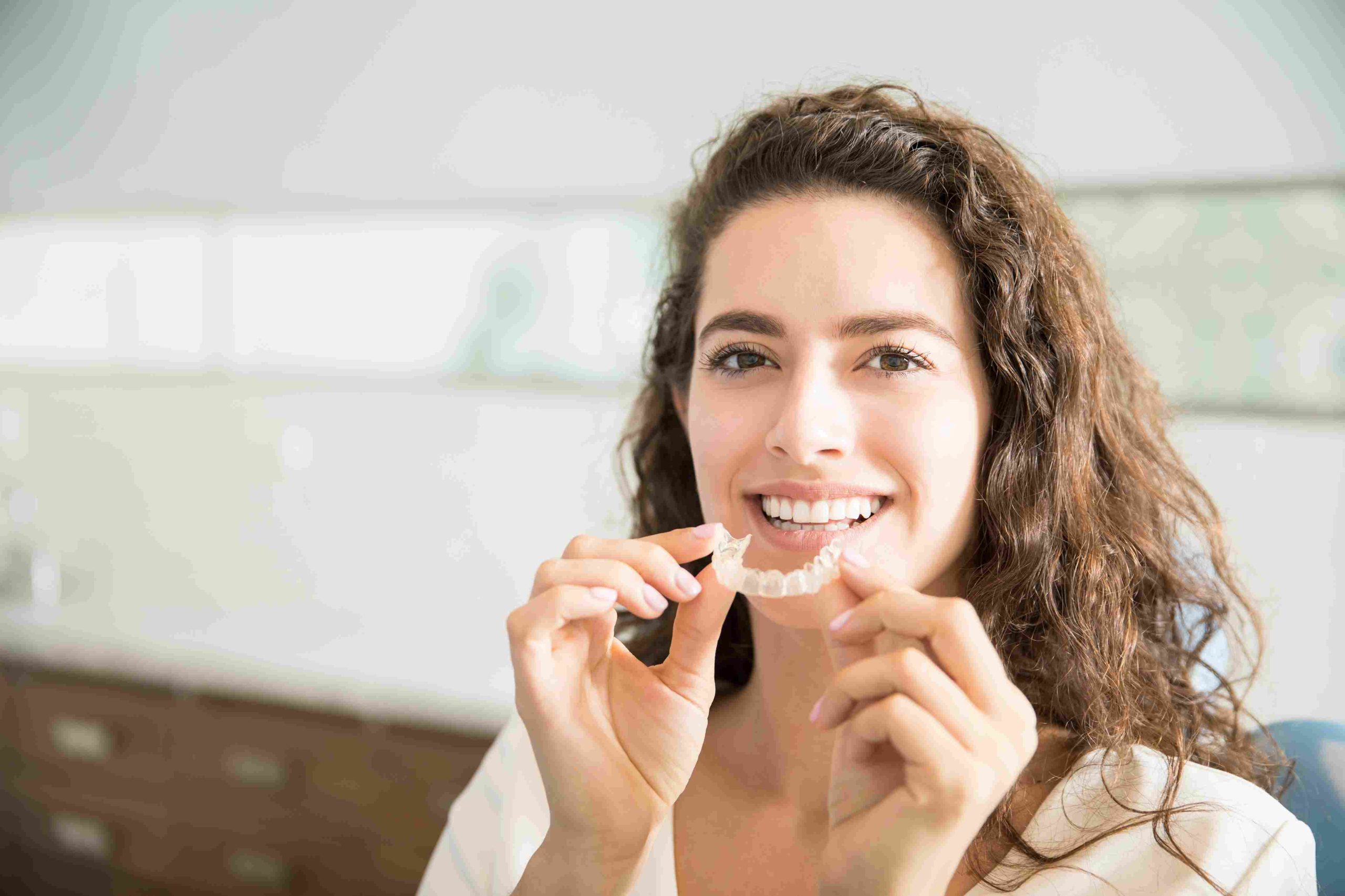
A straight grin does more than make you look better. Additionally, it can facilitate everyday tasks like speaking and eating and promote improved dental health. Many people think Invisalign is
only for cosmetic improvements, but it can also correct several common dental issues.
If you are looking for a trusted dentist Harrisonburg, understanding how Invisalign works can help you decide whether it is the right solution for your smile.
What Is Invisalign?
Invisalign is a modern orthodontic treatment that uses clear, removable aligners to straighten teeth gently. In contrast to conventional braces, Invisalign aligners are almost undetectable and can be taken out for eating, drinking, brushing, and flossing.
Because Invisalign Orthodontics in Harrisonburg, VA, offers a discreet, comfortable way to improve tooth alignment, many patients choose it.
Common Dental Problems Invisalign Can Correct
Crowded Teeth
Crowding happens when there is not enough room in the jaw for all teeth to fit properly. As a result, teeth may overlap or twist.
Crowded teeth can:
- Make brushing and flossing difficult
- Increase the risk of cavities
- Lead to gum problems
Invisalign gradually shifts teeth into better positions, creating more space and improving oral hygiene.
Gapped Teeth
Some people have noticeable spaces between their teeth. While gaps may seem like a cosmetic concern, they can also affect oral health.
Large gaps can:
- Trap food particles
- Increase the risk of gum irritation
- Affect bite function
Invisalign can close these spaces and create a more balanced smile.
Overbite
An overbite occurs when the upper front teeth overlap the lower front teeth too much.
A severe overbite may cause:
- Tooth wear
- Jaw discomfort
- Difficulty chewing
Invisalign aligners are designed to adjust tooth position and improve bite alignment gradually.
Underbite
An underbite happens when the lower teeth extend beyond the upper teeth.
This condition can lead to:
- Speech difficulties
- Uneven tooth wear
- Challenges with biting and chewing
For many mild-to-moderate cases, Invisalign can help move teeth into a healthier position.
Crossbite
A crossbite occurs when some upper teeth sit inside the lower teeth rather than outside.
Without treatment, a crossbite may contribute to:
- Gum recession
- Tooth damage
- Jaw strain
Invisalign can help correct the alignment and reduce these risks.
Open Bite
An open bite means the upper and lower teeth do not touch when the mouth is closed.
This condition may cause:
- Difficulty biting into food
- Speech concerns
- Excess pressure on other teeth
Invisalign can gradually bring teeth into better contact and improve function.
Benefits of Choosing Invisalign
Invisalign offers several advantages beyond correcting dental problems.
Comfortable Treatment
The aligners are made from smooth plastic, which reduces irritation to the cheeks and gums.
Nearly Invisible Appearance
Many adults and teens appreciate that Invisalign aligners are difficult to notice during everyday interactions.
Easy Oral Hygiene
Because the aligners are removable, patients can continue brushing and flossing normally.
Predictable Results
Advanced digital technology allows dentists to create a customized treatment plan and monitor progress throughout the process.
When Should You Talk to a Dentist?
If you notice crooked teeth, bite problems, or spacing issues, it may be time to seek professional guidance. A consultation can help determine whether Invisalign is suitable for your needs. Many people searching for a dentist near me are surprised to learn that Invisalign can address both cosmetic and functional dental concerns.
Conclusion
Both confidence and oral health can be improved with a straighter, healthier smile. At Blue Stone Hills Dentistry, our team is dedicated to giving each patient personalized dental care that produces long-lasting results.
Are you prepared to change your smile? Make an appointment and learn more about your treatment options by contacting Blue Stone Hills Dentistry today.
FAQs
Does Invisalign work just as well as conventional braces?
When worn as prescribed, Invisalign can be equally as successful as traditional braces for many mild to moderate alignment problems.
What is the duration of an Invisalign treatment?
Although the length of treatment varies based on the complexity of the case, many patients finish it in 12 to 18 months.
Can teenagers use Invisalign?
Indeed. Adults and teenagers who are eligible for clear aligner therapy can use Invisalign.
What is the recommended daily wear time for Invisalign aligners?
For optimal outcomes, most patients should wear their aligners for 20 to 22 hours per day.
Is receiving Invisalign treatment painful?
When switching to a new set of aligners, patients may experience mild pressure, which is typically transient and tolerable.