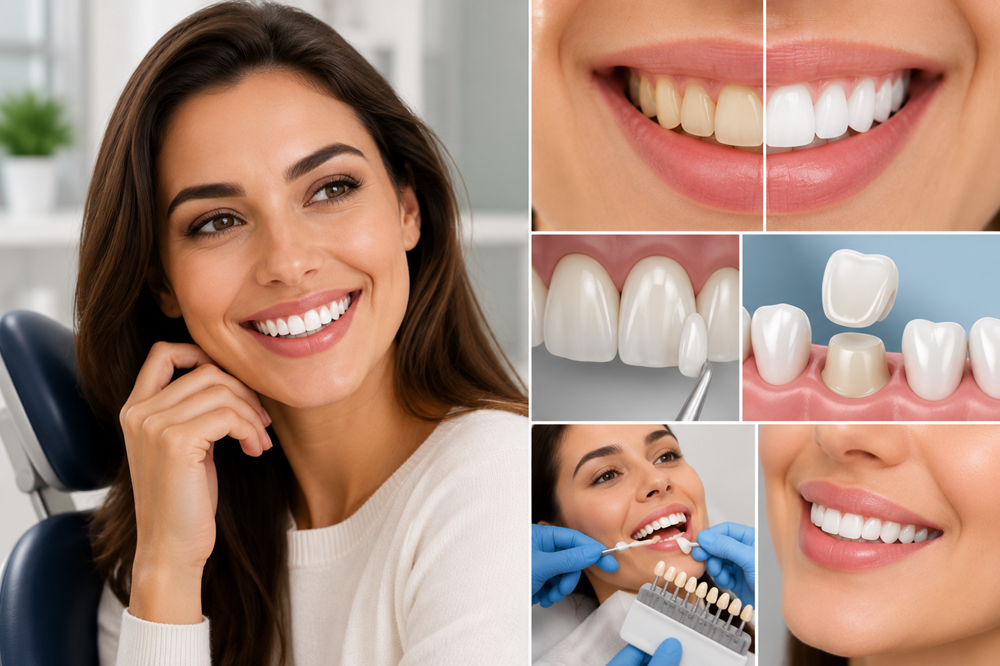
Getting a new smile is an exciting experience, but the body naturally reacts to dental work with a bit of puffiness.
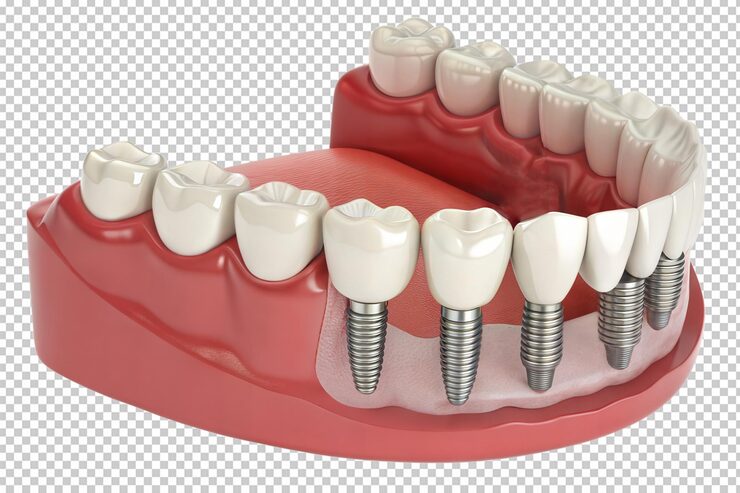
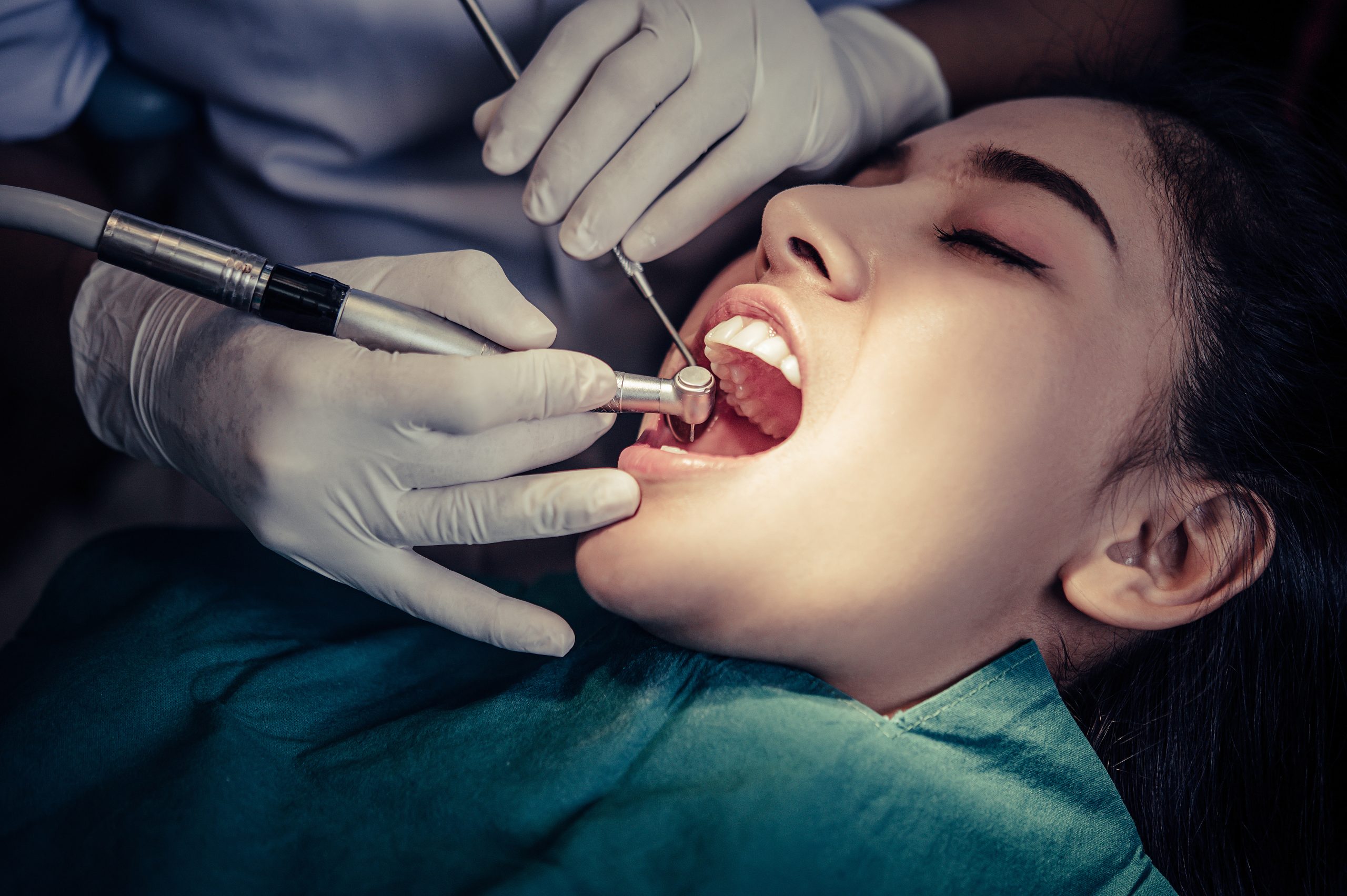
If you have recently scheduled an implant restoration in Harrisonburg to fix a missing tooth, you might notice some minor swelling in your gums or cheek. This is a normal sign that your body is working hard to heal.
While a little swelling is expected, most people want to know how to get back to looking and feeling like themselves as quickly as possible.
Why Does The Mouth Swell After A Procedure?
Swelling happens because your body sends extra blood and fluid to the spot that was worked on. This helps repair the tissue, but it can make your face feel tight or tender for a few days.
- Better Flow: Increased blood flow brings the nutrients needed for healing.
- Protection: The fluid acts like a cushion to protect the sensitive area.
- Natural Response: This is the first stage of the body’s way of fixing any minor injury.
- Timing: Usually, the puffiness is at its biggest about two or three days after your visit.
Does Reducing Swelling Make Healing Faster?
Many patients ask if bringing down the puffiness actually helps the body get better more quickly. While a little bit of swelling is needed to start the repair, keeping it under control helps by taking pressure off your nerves.
When you visit a dentist in Harrisonburg for a check-up, they will make sure the swelling is going down at a healthy rate.
Managing the fluid levels allows blood to move more easily, which carries what your gums and bones need to stay healthy.
What Makes Swelling Go Down Quickly?
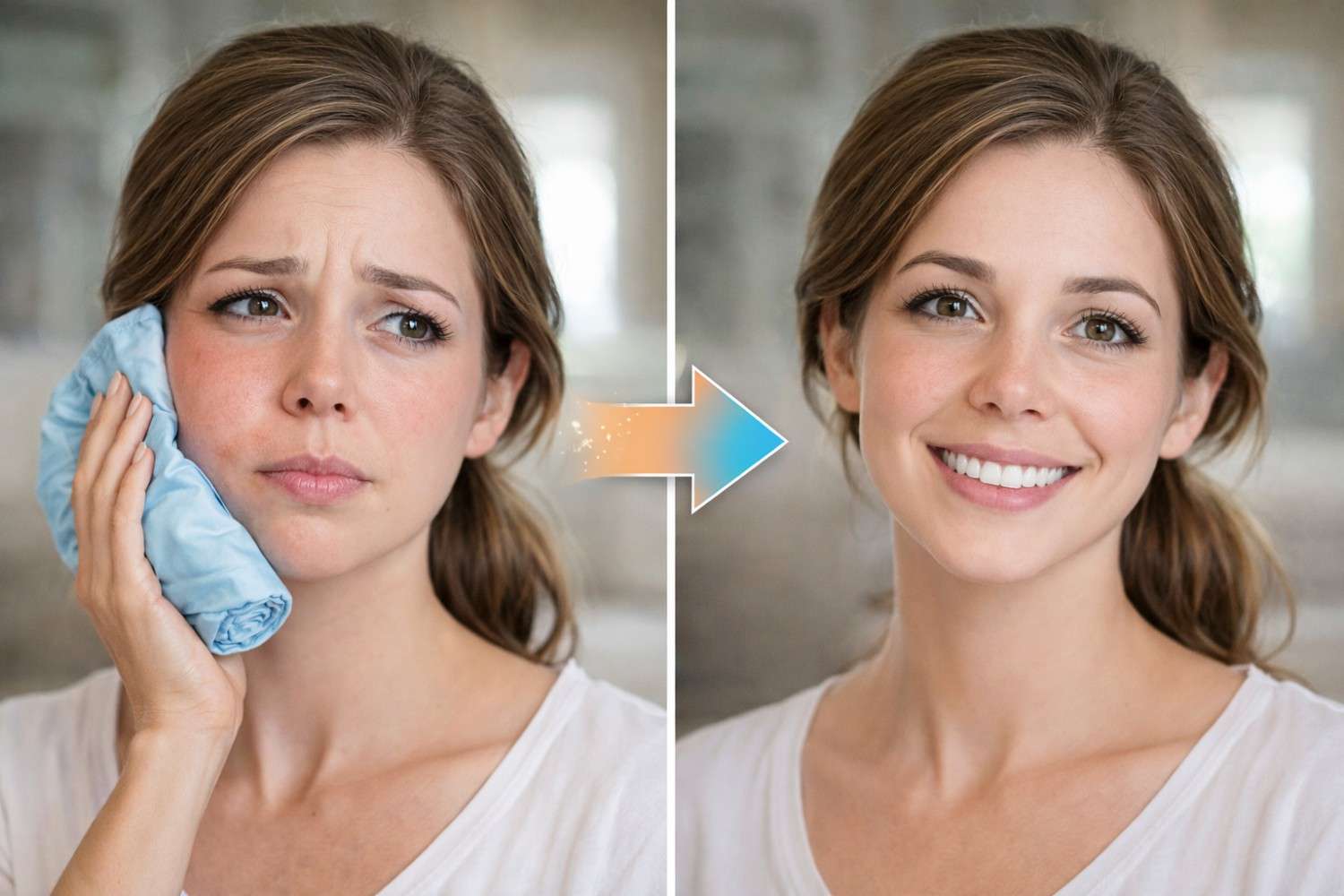
The fastest way to see a change in your face is to use ice and rest during the first day. Applying a cold pack to the outside of your face for twenty minutes at a time helps stop fluid from building up.
If you are looking for an implant restoration near you that gives clear instructions for home care, you will find that these simple steps are the most helpful.
Keeping your head propped up with pillows while you sleep also keeps fluid from collecting in your jaw.
Timeline of Your Recovery
This table shows what to expect as your body heals over the first week.
| Days After Visit | What You Will See | What to Do |
| Day 1 | A little puffiness starts | Use ice packs and rest |
| Days 2–3 | Swelling is at its biggest | Switch to warm towels |
| Days 4–5 | Face looks much more normal | Start eating soft, solid foods |
| Day 7 | Swelling is mostly gone | Go back to normal brushing |
How Your Food Choices Help With Swelling
What you eat has a big effect on how fast the puffiness goes away. Soft, cool foods are your best choice during the first two days.
- Watch the Salt: Too much salt makes your body hold onto water, which keeps your face swollen longer.
- No Straws: The sucking move can hurt the healing spot and cause more irritation.
- Stay Cool: Very hot soup or coffee can make more blood flow to the mouth and increase puffiness.
- Healthy Shakes: Smoothies with vitamins help your body build new tissue faster.
Keeping Your Mouth Clean While Healing
Cleaning your teeth without being too rough is very important. If germs build up near the new work, an infection can cause even more swelling that lasts a long time.
Using a gentle salt-water rinse after you eat helps kill germs and keeps the area calm.
It is best to avoid using an electric toothbrush or strong mouthwash for the first few days, as these can bother the healing gums and slow down your progress.
When To Call The Office For Help
Most swelling starts to fade after the third day, but you should watch it closely.
If the puffiness suddenly gets much bigger or if you start to feel a fever, your body might be fighting an infection. Sharp pain that does not get better with medicine is another reason to call the office.
The team is always ready to check on you and make sure your new tooth is settling in perfectly without any problems.
Quality Care For A Healthy Recovery
At Blue Stone Hills Dentistry, we want you to be comfortable from the start of your visit until you are fully healed. Our team is here to give you clear advice and gentle care so your recovery is as fast as possible.
We know that waiting to heal can feel slow, but we are here to help with every tip and trick to get you smiling again.
You can trust us to take care of your health with kindness and skill. Reach out to us today to learn more!
Frequently Asked Questions
1. Is it normal for one side of my face to look bigger?
Yes, the side where the work was done will usually be much more swollen than the other. As you heal, your face will slowly return to its normal, even shape.
2. Can I go to the gym while I am still swollen?
It is best to wait a few days before doing any heavy exercise or running. A fast heartbeat can pump more blood to your face, which might make the swelling or throbbing come back.
3. Why is my swelling worse when I first wake up?
When you lie flat for a long time, fluid collects in your face. Using an extra pillow to keep your head high at night can help you wake up with a much flatter and more comfortable face.
4. How long should I use an ice pack?
Ice works best during the first 24 hours to keep swelling from getting big. After the second day, a warm, wet cloth is better because it helps the fluid move out of the area.