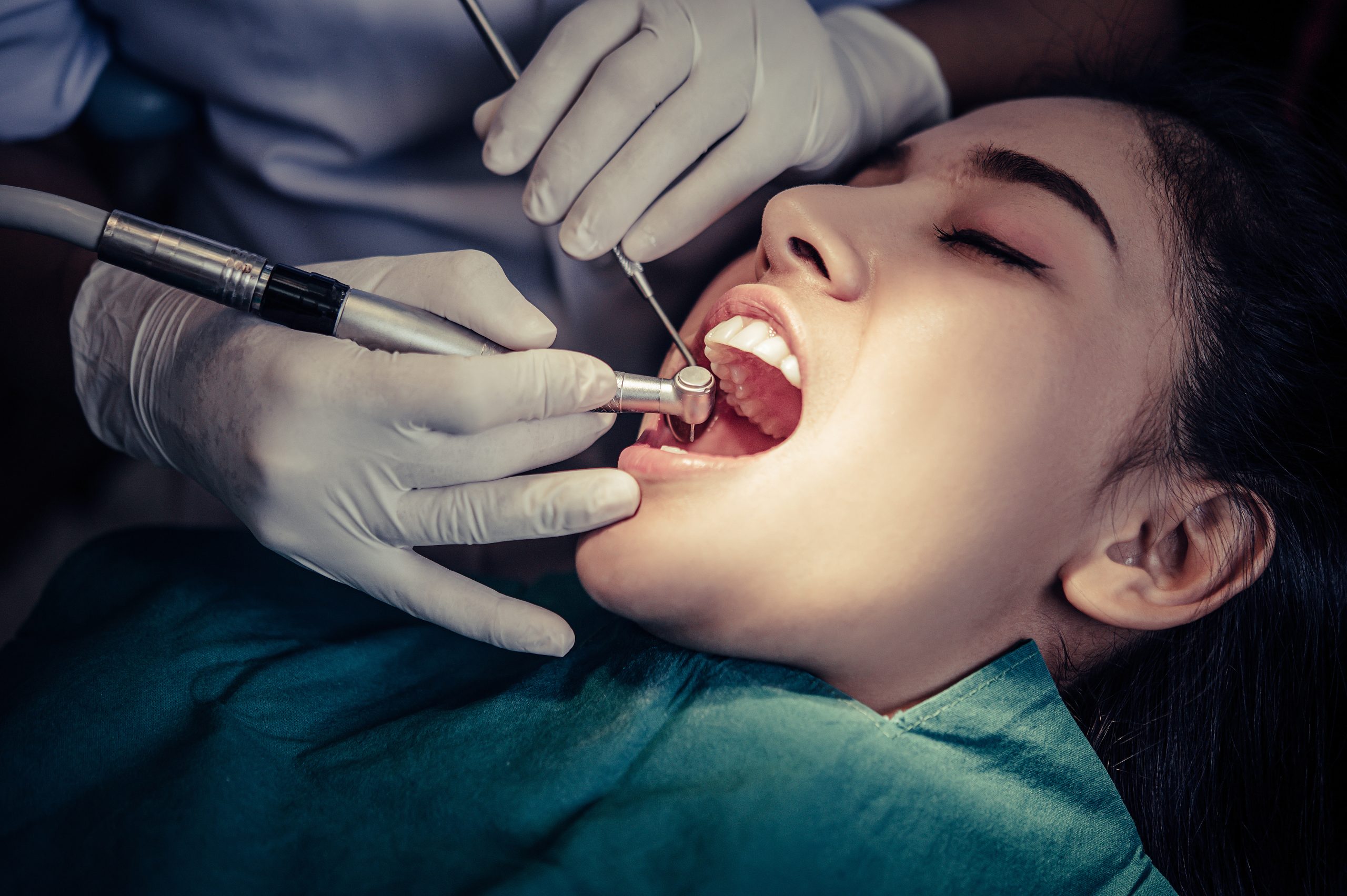
Navigating the recovery period after a specialized periodontal treatment requires specific care to ensure the gums heal properly. Many patients schedule dental cleanings in Harrisonburg to address plaque buildup beneath the gum line, a process known as scaling and root planing. Because a deep cleaning reaches areas that standard brushing cannot touch, the mouth often feels sensitive or tender for several days following the appointment. Choosing a professional dental office in Harrisonburg allows for a thorough removal of bacteria that cause inflammation and bone loss. Once the dentist finishes the procedure, the body begins the vital task of repairing the connection between the soft tissue and the tooth roots. Following the post-care instructions provided by your dental team is the most effective way to avoid infection and speed up the regeneration process.
Understand What Happens After Deep Cleaning
It is important to understand what happens after deep cleaning so that minor side effects do not cause unnecessary alarm. Since the dentist must move the gum tissue slightly to reach the tartar on the roots, some swelling and light bleeding are normal during the first twenty-four hours.
- Sensitive Teeth: Your teeth might feel a little “zing” from hot or cold drinks. This happens because the roots are now clean and clear of buildup.
- Gum Color: Your gums might look a little red or puffy at first. Don’t worry—they should turn a healthy pink color as they heal.
- Minor Aching: A dull ache in your jaw is normal once the numbing medicine wears off. This usually goes away on its own within two days.
Watch What You Eat
Dietary choices play a massive role in how comfortably a person recovers from a periodontal procedure. You must watch what you eat to prevent irritating the sensitive areas or dislodging the natural blood clots that help the gums heal.
- Avoid Crunchy Foods: Stay away from chips, popcorn, or nuts. These can poke your sore gums and cause pain or bleeding.
- Skip Spicy or Sour Items: Spicy peppers and acidic juices (like orange or lemon) can sting your gums while they are still healing.
- Pick Soft Foods: Stick to easy-to-chew things like yogurt, warm soups, mashed potatoes, or scrambled eggs for the first two days.
- Watch the Temperature: Eat meals that are warm rather than boiling or ice-cold, since extreme temperatures can cause a sharp “zing” of nerve pain.
How Long for Gums to Reattach After Deep Cleaning?
Patients frequently ask how long it takes for gums to reattach after deep cleaning to understand when their mouth will feel “normal” again. While the initial soreness fades in a few days, the physiological process of the fibers re-anchoring to the tooth takes longer.
- First Week: The swelling goes down, and the gums begin to tighten around the teeth.
- Two to Four Weeks: This is the typical window for the soft tissue to form a new, healthy seal against the clean root surface.
- Long-Term Healing: Total health restoration and bone stabilization can continue for several months, depending on the severity of the initial gum disease.
Maintaining Results with Dental Cleanings
A deep cleaning is not a one-time fix but rather a fresh start for oral health. Finding regular dental cleanings near you ensures that the bacteria do not return to the deep pockets that were just cleaned. Maintaining a strict schedule for follow-up visits allows the dentist to monitor the reattachment process and ensure no new infections are forming.
- Daily Brushing and Flossing: Use a soft toothbrush and be very gentle when flossing. This keeps your gums clean without hurting the area while it heals.
- Warm Saltwater Rinses: Mix a half-teaspoon of salt into a cup of warm water and swish it gently. Doing this for the first week helps kill germs and makes your gums feel much better.
- Prescribed Rinses: If the dentist provides a specialized antimicrobial mouthwash, use it exactly as directed to prevent “re-infection” of the pockets.
Signs That Require a Follow-Up Visit
While most people recover without any hurdles, certain symptoms indicate that the mouth needs an extra look from a professional. Contacting your dental office is necessary if you notice:
- Persistent Bleeding: If the gums continue to bleed heavily after the first forty-eight hours.
- Severe Pain: Discomfort that does not improve with over-the-counter relievers or seems to be getting worse.
- Fever or Chills: These are signs that the body is fighting a systemic infection.
- Shifting Teeth: If a tooth feels significantly looser than it did before the procedure.
Strengthening Your Gums for Life
Taking the time to care for your mouth after a deep cleaning ensures that the investment in your health pays off with a stable, pain-free smile. By following a soft diet and keeping the area clean, you allow the natural healing powers of the body to work effectively. Blue Stone Hills Dentistry provides the expert guidance and gentle care needed to manage periodontal health and prevent the progression of gum disease. Call us today to schedule your visit.
Frequently Asked Questions
Is it okay to brush my teeth immediately after a deep cleaning?
You should wait until the morning after the procedure to brush the treated areas gently. Use a very soft toothbrush and avoid vigorous scrubbing to prevent irritating the gums while they are still in the early stages of healing.
How soon can I go back to work after the appointment?
Most patients return to their normal daily activities immediately after leaving the dental office. However, if you received sedation or feel significant jaw fatigue, taking the rest of the day to relax at home is a helpful choice.
Why do my teeth feel more sensitive to cold now that they are clean?
Removing the thick layers of tartar reveals the root surfaces that were previously covered. These areas are more porous and closer to the nerves, but the sensitivity usually decreases as the gums reattach and the teeth adapt to being clean.
Will I need another deep cleaning in the future?
If a person maintains excellent home care and attends regular maintenance cleanings every three to four months, they may never need a deep cleaning again. The goal of the procedure is to get the mouth into a state where standard cleanings are sufficient.