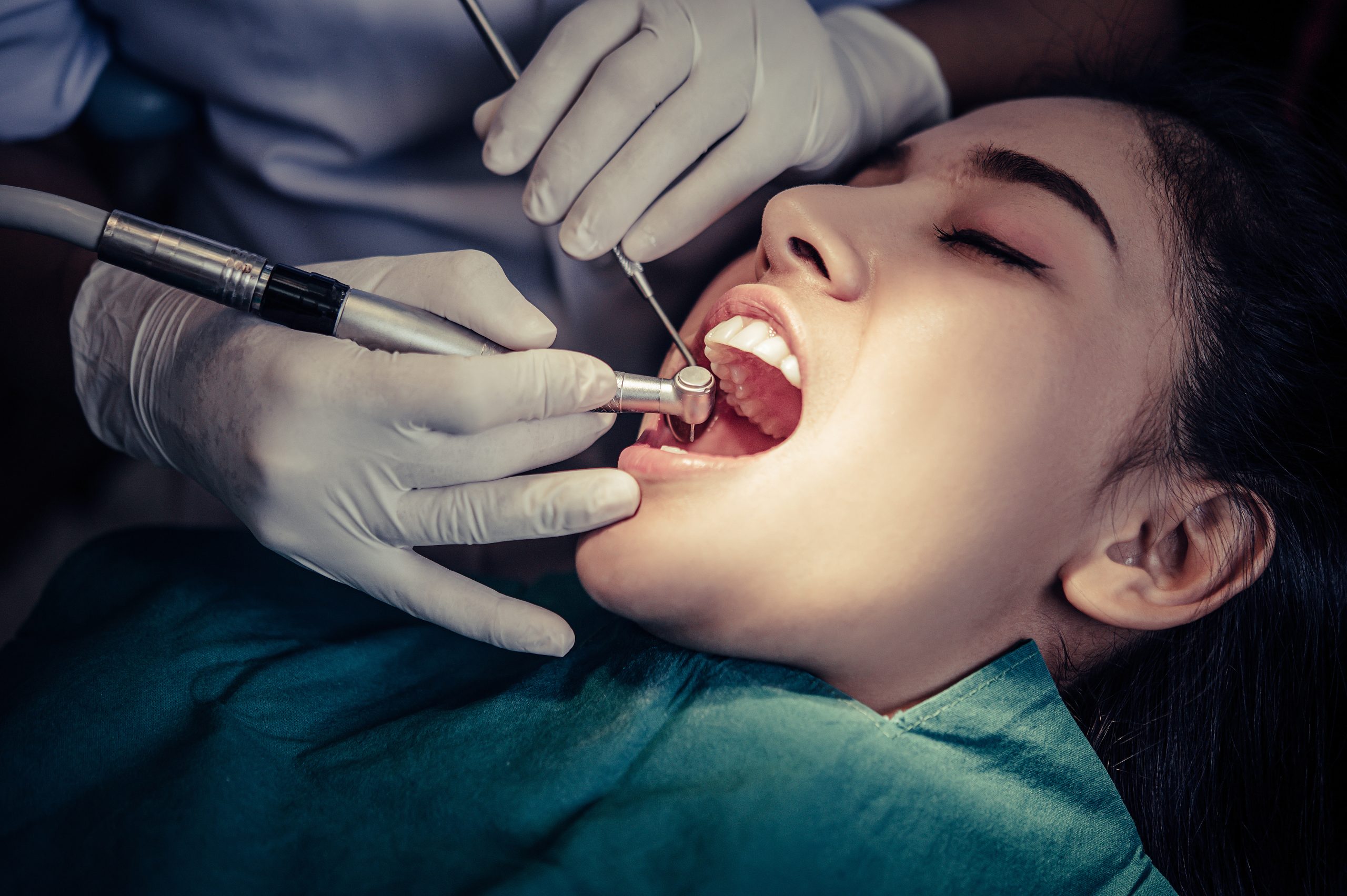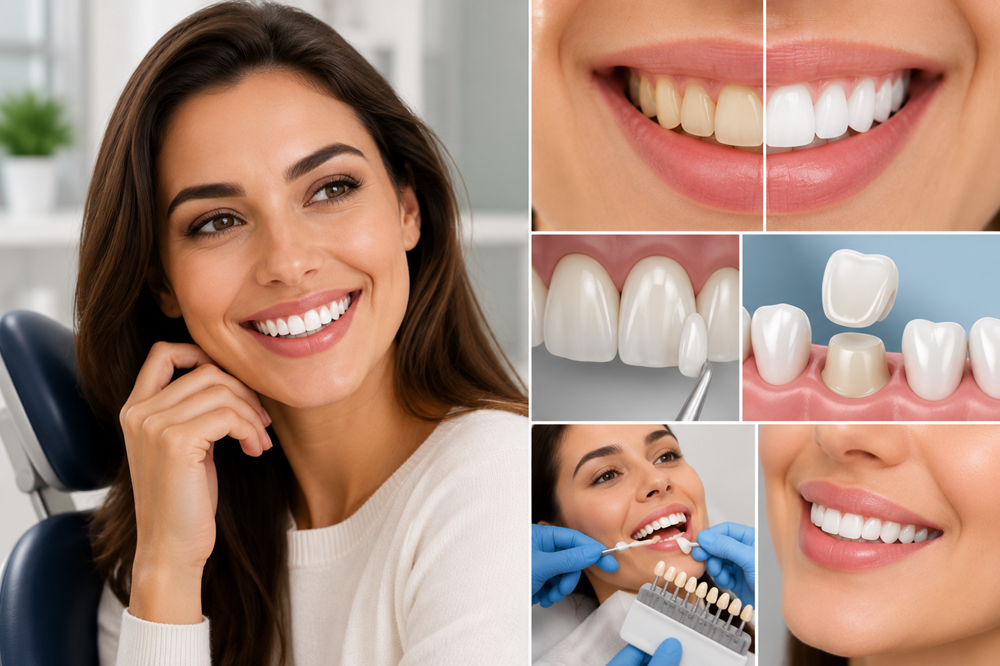
Many people dream of a bright, white smile but worry about tooth pain. If cold drinks make your teeth hurt, you might think whitening isn’t for you. The good news is that modern dental tools have changed everything for people with sensitive nerves. You can now get rid of stains without that “zinging” pain. If you need help getting started, a dentist in Harrisonburg can check your teeth first. They make sure your enamel is healthy and that you don’t have any hidden cavities before you start whitening. This makes the whole process much safer and more comfortable.
Why Does Whitening Sometimes Hurt?
To whiten without pain, it helps to know why it happens. Most whitening gels use a chemical called peroxide. This chemical goes deep into the tooth to break up stains, but it can also bother the nerves inside.
- Thin Enamel: If your tooth’s outer layer is thin, the gel reaches the nerves faster.
- Gum Irritation: Store-bought trays often leak gel onto your gums, causing a burning sensation.
- Dry Teeth: Strong bleaches pull water out of your teeth, causing a temporary ache.
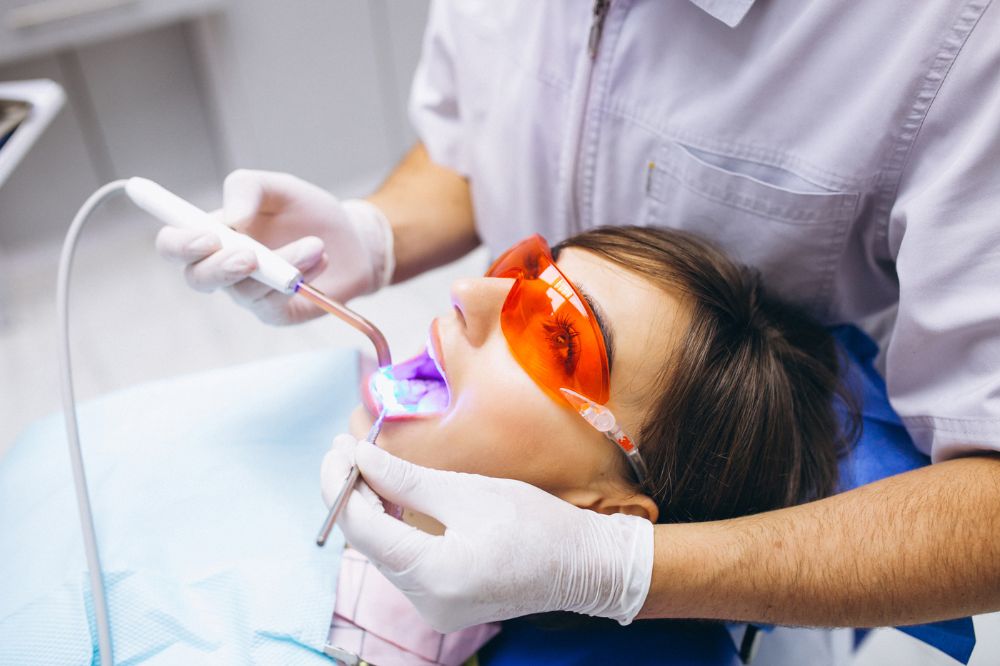
When you visit a dental office near you, the team uses special barriers to keep the gel only on your teeth and away from your sensitive gums.
What are the Best Teeth Whitening Methods Safe for Sensitive Enamel
For people with sensitive teeth, the best way to whiten is “slow and steady.” Using weaker gels or special “numbing” pastes can give you great results without the drama.
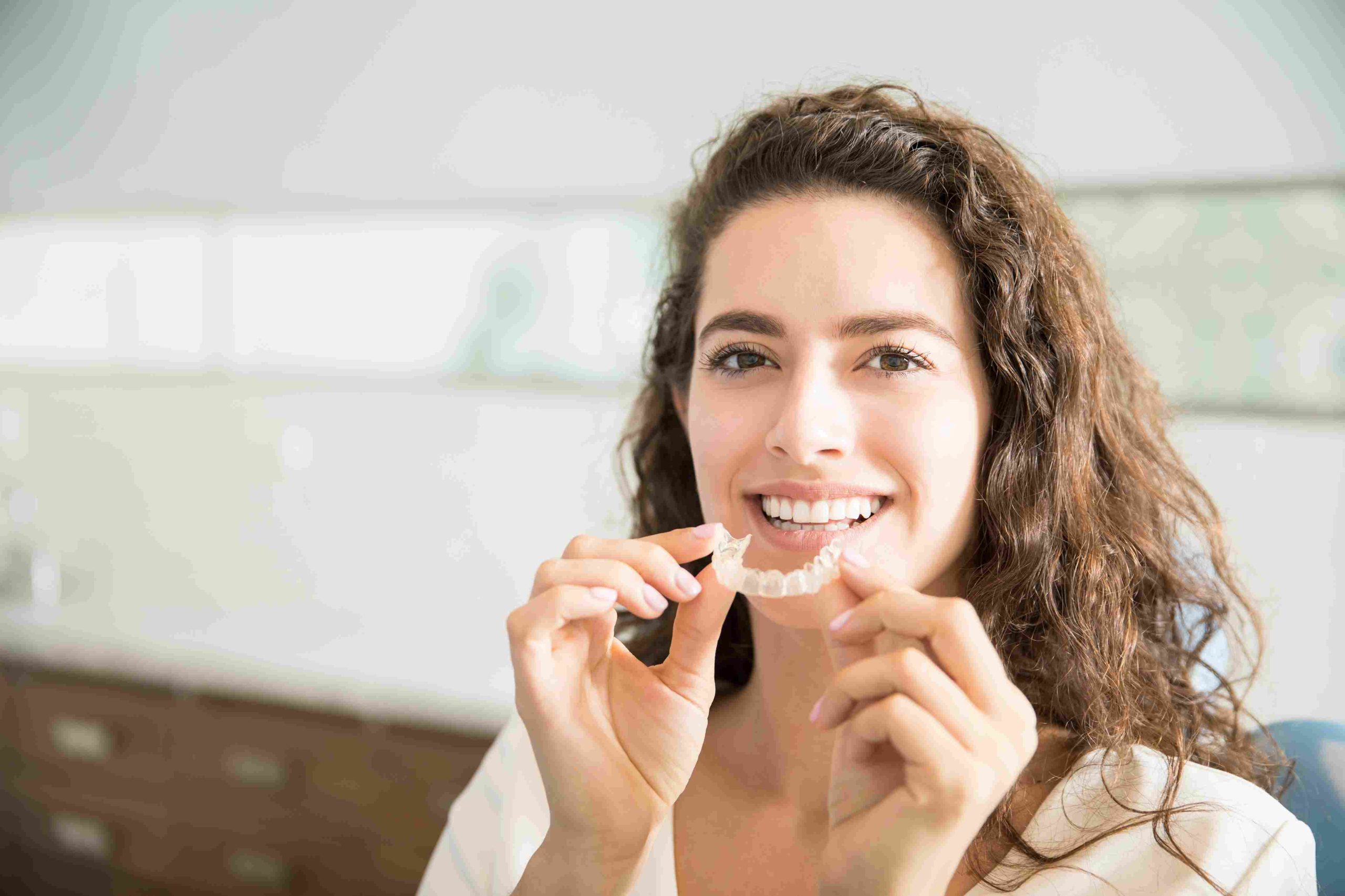
- Custom Trays: Made just for your mouth, these keep the gel in place.
- Pre-Treatments: Using a special paste before you whiten can “turn off” the pain signals in your nerves.
- Cooler Lights: New laser systems work faster without getting too hot, which is better for sensitive teeth.
By choosing the best teeth-whitening methods safe for sensitive enamel, you can get a glow that feels as good as it looks.
Gentle Choices for Your Gums and Teeth
If you want a very mild approach, there are several gentle whitening options for sensitive teeth and gums that don’t use harsh chemicals. These are great for people who only want a little bit of brightening.
- PAP+ Technology: This newer ingredient cleans stains without causing the “shocks” that peroxide can.
- Fruit Enzymes: Some kits use natural pineapple enzymes to break down stains gently.
- Mineral Filling: Certain gels help fill tiny cracks in your teeth, which can make them less sensitive while they whiten.
How to Whiten at Home Without Pain
If you choose to whiten at home, patience is the secret. Knowing how to whiten sensitive teeth without pain takes the right tools and a little extra time.
Whitening Choices for Sensitive Mouths
Method | Best Feature | Pain Level |
Custom Dentist Trays | Fits perfectly, very safe. | Very Low |
Whitening Toothpaste | Good for surface stains. | None |
LED Light Kits | Fast results using light. | Low |
Desensitizing Gel | Blocks pain before it starts. | None |
Always look for teeth whitening that won’t increase sensitivity by checking for ingredients like “potassium nitrate” on the box.
Whitening Without Peroxide
For the most sensitive people, peroxide-free products are the best bet. These don’t go deep into the tooth, so they don’t bother the nerves. Looking for the best gentle peroxide-free whitening options is a smart way to keep your smile bright after a cleaning.
- Coconut Oil: Swishing oil in your mouth helps lift surface bacteria and light stains.
- Baking Soda: This gently scrubs away coffee and tea spots without using chemicals.
- Charcoal: This is great for tough stains, but use it only occasionally to protect your enamel.
A Bright Smile You Can Enjoy
You don’t have to choose between white teeth and a pain-free mouth. By picking the right products and getting help from a professional, you can have a beautiful, glowing smile. Whether you whiten slowly at home or get a fast treatment at the office, the goal is a healthy result that doesn’t hurt. At Blue Stone Hills Dentistry, we focus on making you feel comfortable while helping you look your best. We use the latest tools to make sure you get a bright smile without the “zingers.” Let us help you find the perfect plan for your unique teeth.
Getting here is simple — just follow us on Google Maps for the best route. 📍
FAQs
How often can I whiten?
It is best to wait at least six months between treatments to keep your enamel strong.
Can I whiten if my gums are receding?
Yes, but you must use custom trays so the gel doesn’t come into contact with your teeth’s sensitive roots.
Does sensitive toothpaste help?
Yes! Using it for two weeks before you whiten can build up a “shield” for your nerves.
Will it work on my fillings?
No, whitening only works on natural teeth. Crowns and fillings will stay the same colour.