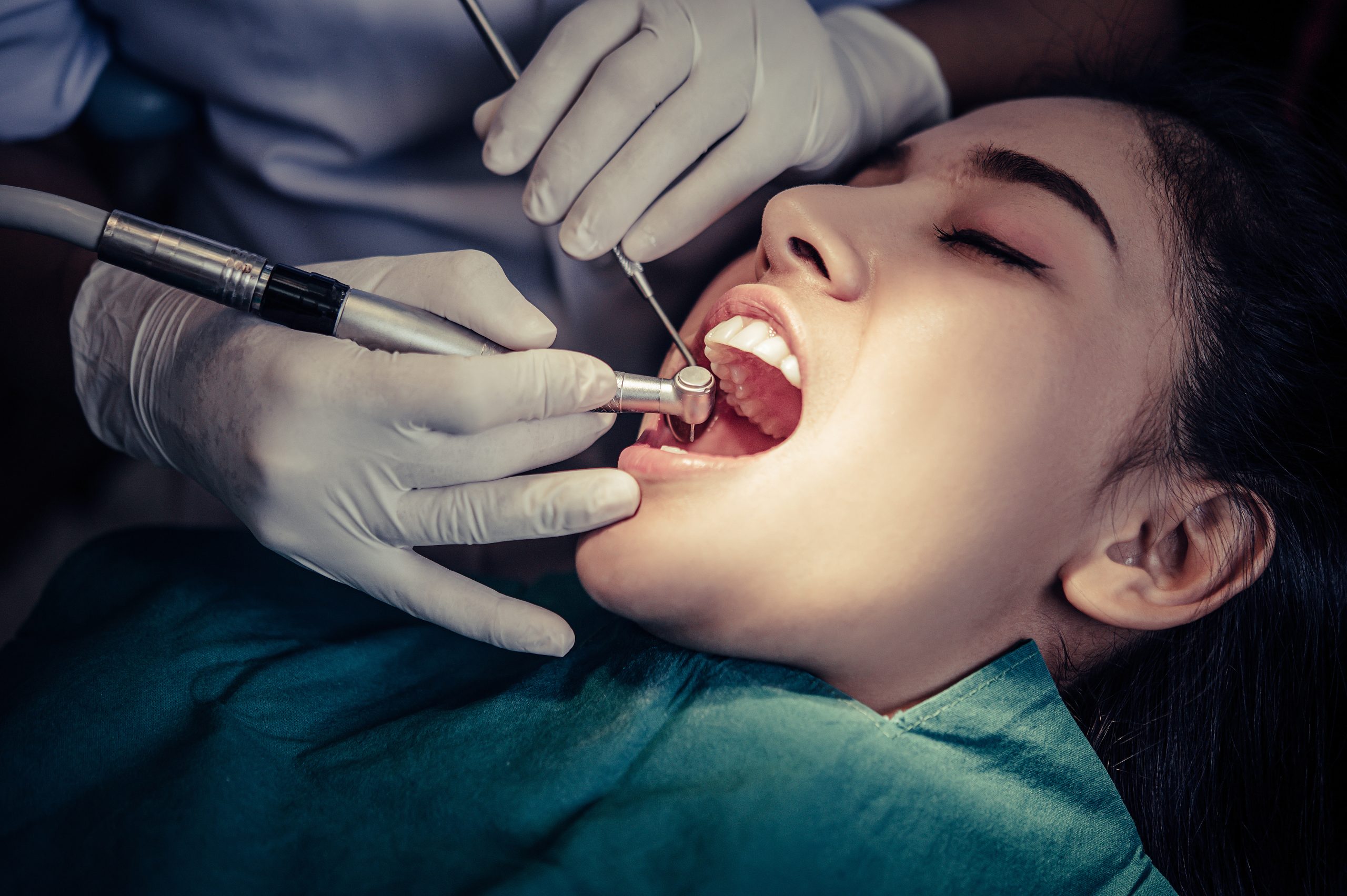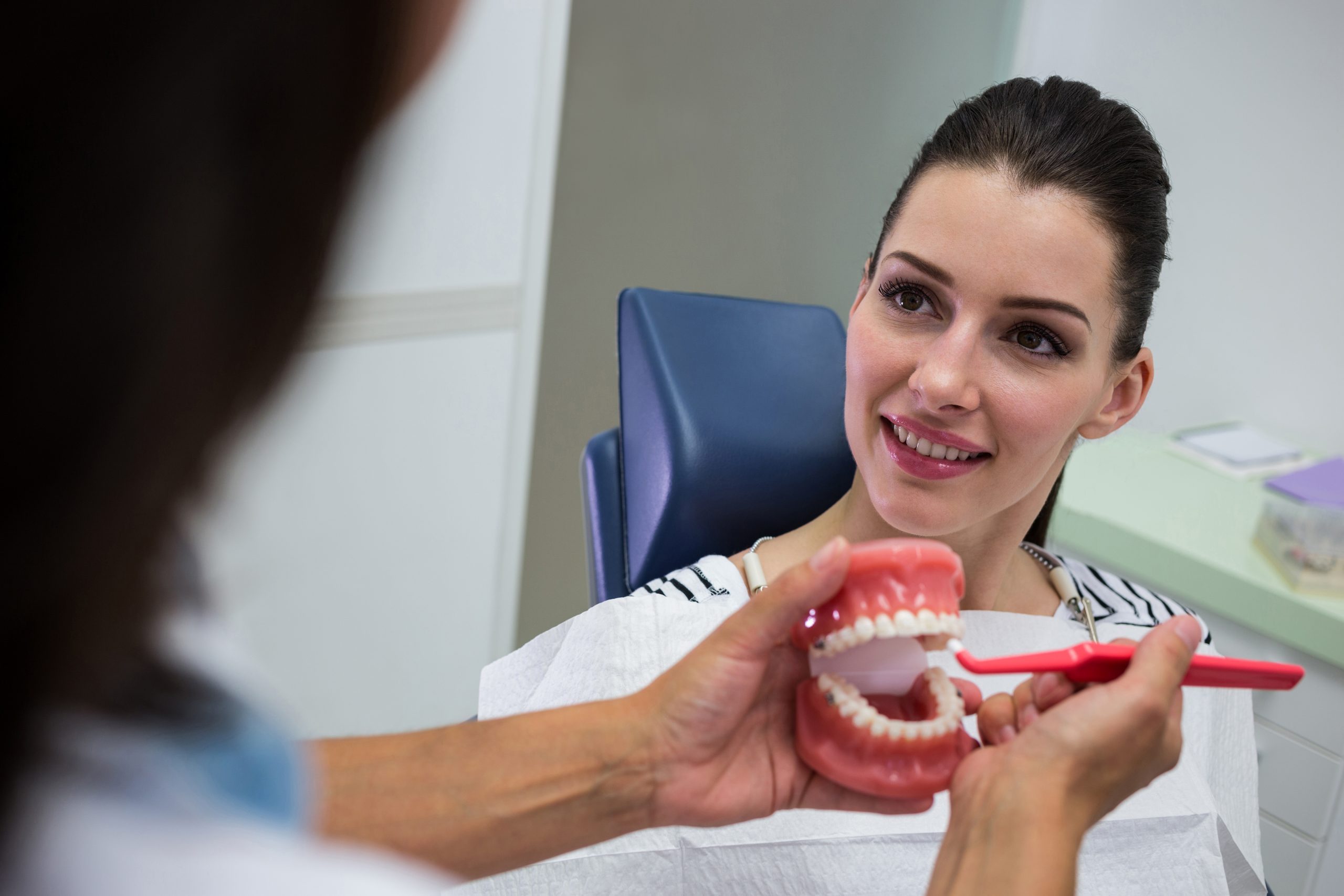
In today’s fast-paced world, stress affects more than just your mind; it can quickly take a toll on your smile. Jaw clenching, teeth grinding, and other habits often put strain on your mouth, sometimes before you even notice. If a busy schedule is starting to show physically, a dentist in Harrisonburg can help spot early warning signs and prevent lasting damage. Caring for your oral health is an important part of overall self-care.
Understanding the Mind-Body Connection
The link between stress and oral health is stronger than most people realise. When the body is under pressure, it produces higher levels of cortisol, often called the “stress hormone.” This chemical shift can weaken your immune system, making it much harder for your gums to fight off infections and bacteria.
- Gum Inflammation – High stress levels can increase the risk of gingivitis, as your body’s inflammatory response works overtime.
- Neglected Habits – When people are overwhelmed, they are more likely to skip flossing or indulge in sugary comfort foods, creating a perfect environment for decay.
- Dry Mouth – Anxiety often reduces saliva production. Since saliva is your mouth’s natural way of washing away acid, a dry mouth leads to faster enamel erosion.
Recognising the Signs of Nighttime Tension
One of the most destructive ways that how stress affects oral health is through bruxism, or teeth grinding. Because this usually happens while you are asleep, you might not even realise you are doing it until the side effects become painful.
- Flattened Teeth – Over time, the constant friction wears down the biting surfaces of your teeth, making them look shorter or dull.
- Increased Sensitivity – As enamel wears away, the inner layers of the tooth become more susceptible to hot and cold stimuli.
- Earaches and Headaches – The pressure from grinding often radiates upward, causing dull headaches that are most noticeable right when you wake up.
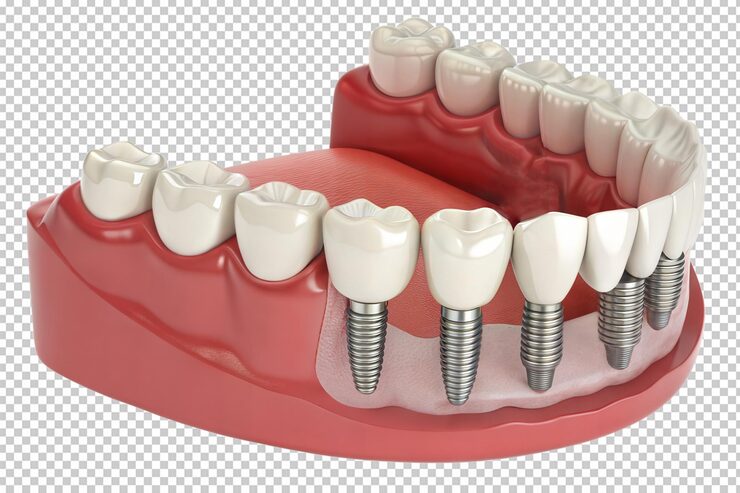
- Damaged Dental Work – Excessive force can crack fillings or crowns, occasionally requiring a visit to a denture office near you to discuss restorative options for missing or broken teeth.
How to Identify Physical Symptoms of Bruxism
If you suspect you are clenching your teeth, it is helpful to look for specific symptoms of teeth grinding during your morning routine. Catching these early can save you from costly restorative procedures.
- Sore Jaw Muscles – Feeling like your face is tired or “tight” in the morning is a major red flag.
- Scalloped Tongue – Look for indentations along the sides of your tongue caused by pressing it against your teeth.
- Locked Jaw – In severe cases, the jaw joint (TMJ) can become stuck, making it difficult to open or close your mouth entirely.
- Popping Sounds – Clicking or popping noises when you chew can indicate that the jaw joint is under too much pressure.
How Can You Manage Painful Mouth Sores
Stress doesn’t just impact your teeth and gums; it also affects the soft tissues of your mouth. Many people notice an increase in stress canker sores during tough weeks. Unlike cold sores, these are not viral but are often triggered by a weakened immune system or accidental cheek biting due to tension.
- Avoiding Triggers – While the sore heals, avoid spicy or acidic foods, such as citrus and soda.
- Salt Water Rinses – Gently swishing with warm salt water can help keep the area clean and speed healing.
- Topical Relief – Over-the-counter gels can provide a protective barrier to reduce pain while eating or speaking.
What are the Effective Ways to Relax Your Smile
To counter the physical effects of tension, incorporate jaw-relaxation techniques into your daily routine. Taking just a few minutes to reset can prevent a world of dental trouble.
- The “N” Position – Gently place the tip of your tongue behind your upper front teeth (as if saying the letter N). This naturally keeps your teeth from touching.
- Warm Compresses – Placing a warm, damp cloth against your cheeks before bed can help loosen tight muscles.
- Mindful Checks – Set a reminder on your phone to check if your jaw is clenched throughout the day. If it is, take a deep breath and let your shoulders drop.
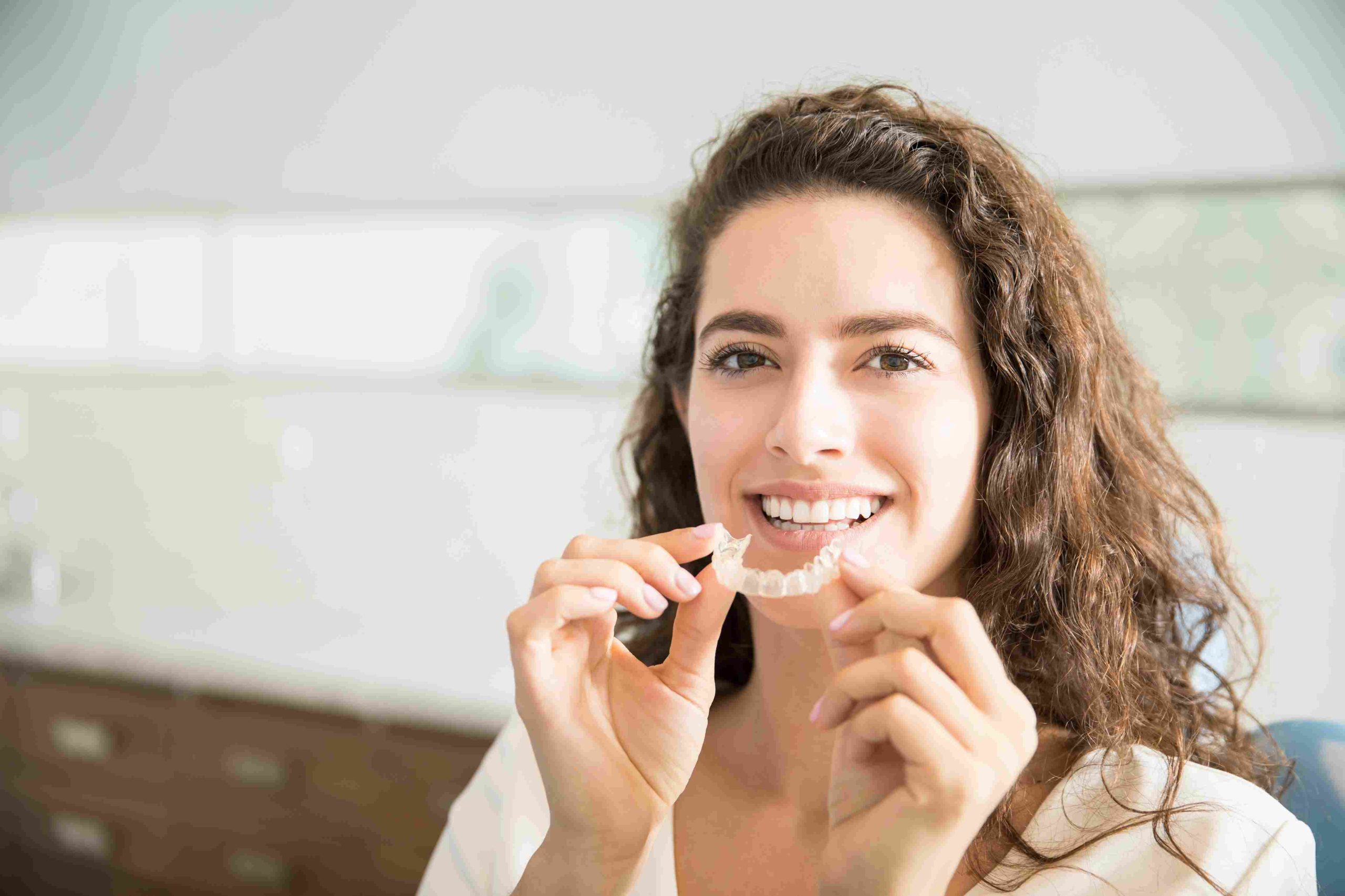
- Professional Mouthguards – A custom-made nightguard from your dentist provides a soft cushion that absorbs the force of grinding, protecting your enamel.
Protecting Your Smile from Tension
Stress happens, but it doesn’t have to damage your smile. Noticing signs of teeth grinding or jaw tension early can help you protect your teeth with simple solutions, such as relaxation techniques or a nightguard. A healthy smile should feel comfortable, not strained. At Blue Stone Hills Dentistry, we offer gentle, personalised care to relieve jaw pain and grinding in a calm setting. If stress is affecting your oral health, contact us today to schedule a consultation.
Getting here is simple — just follow us on Google Maps for the best route. 📍
FAQs
Can stress cause my teeth to feel loose?
Yes, severe grinding can actually strain the ligaments that hold your teeth in place, making them feel slightly mobile or sore.
How long do stress-related canker sores usually last?
Most canker sores caused by stress or a run-down immune system will heal on their own within seven to ten days.
Does teeth grinding always cause stress?
While stress is a primary trigger, other factors like a misaligned bite, sleep apnea, or certain medications can also cause grinding.
Will a store-bought mouthguard work as well as a professional one?
Store-bought guards are often bulky and don’t fit perfectly, which can actually cause more jaw pain; a custom-fit guard is much safer and more comfortable.