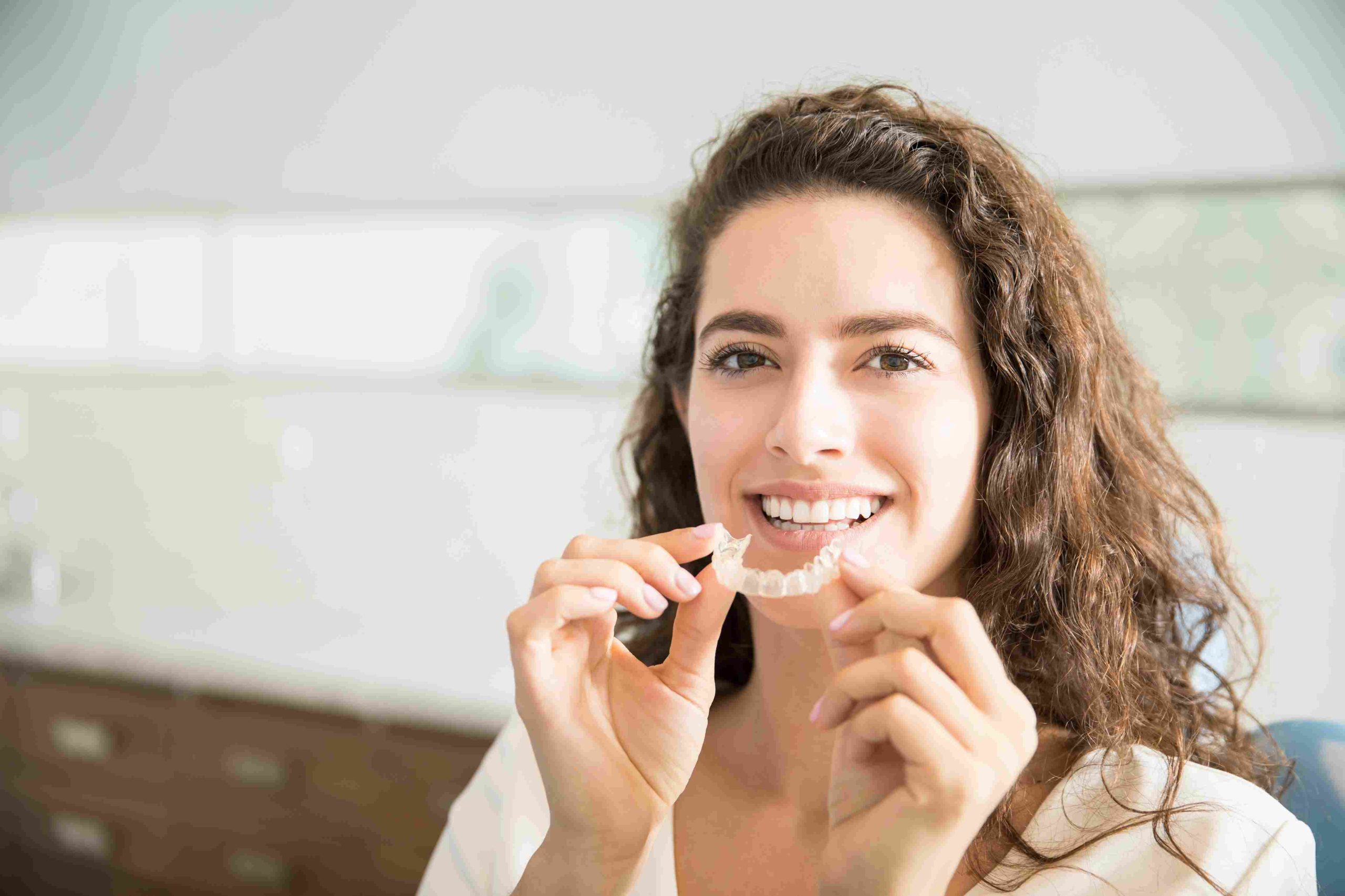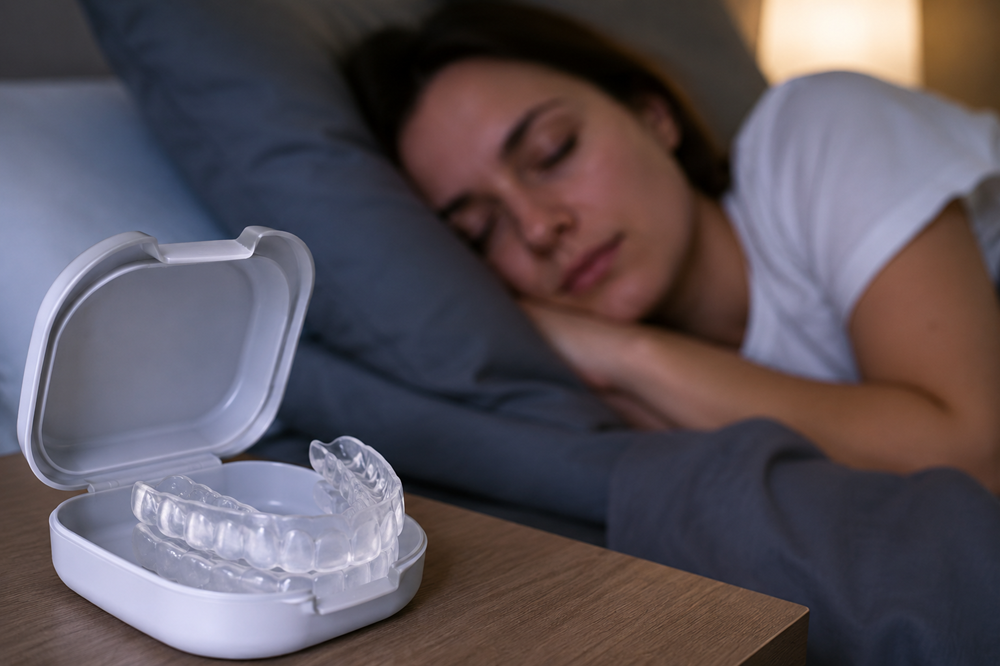
Invisalign can effectively correct overbites, underbites, and gaps between teeth by using a series of custom-made clear aligners to move the teeth into their ideal positions. While once reserved for minor adjustments, modern technology now allows this system to handle complex orthodontic issues through the use of “smart-force” attachments. Visiting a dentist in Harrisonburg is the best way to determine if your specific bite alignment can be successfully treated with this transparent and removable alternative to traditional metal braces.
How Does Invisalign Correct an Overbite?
An overbite occurs when the upper teeth overlap the lower teeth excessively, which can cause uneven wear or jaw pain. When used for Invisalign for bite correction, the system often utilizes small, tooth-colored bumps called attachments that give the aligners more “grip” to shift the jaw forward or backward.
In some cases, specialized elastic bands are connected to the aligners to apply the necessary tension to bring the upper and lower arches into perfect harmony.
Can Clear Aligners Fix an Underbite?
Underbites, where the lower teeth sit in front of the upper teeth, are often more challenging but are frequently treatable without surgery. Your local dental office near you will use advanced 3D imaging to map out the precise movements needed to jump the lower teeth behind the upper ones. While severe skeletal underbites might require a combination of treatments, many dental-based underbites respond exceptionally well to the consistent, gentle pressure of clear tray therapy.
Is It Possible to Close Large Spaces Between Teeth?
Gaps, also known as diastemas, are one of the most common reasons patients seek orthodontic care. When treating gaps with Invisalign, the aligners apply pressure to the sides of the teeth to slide them closer together while simultaneously rotating them into the correct orientation.
This process not only improves the look of your smile but also prevents food from getting trapped, which reduces the risk of gum disease and decay between the teeth.
Who is the Ideal Candidate for This Treatment?
Most teenagers and adults with mild to moderate alignment issues are eligible for clear aligner therapy. When determining who is a candidate for Invisalign, providers look for healthy gum tissue and a commitment to wearing the trays for at least 22 hours a day.
As the trays are removable, the success of the treatment depends heavily on the patient’s discipline in keeping them in place throughout the day and night.
| Orthodontic Issue | Can Invisalign Fix It? | Complexity Level |
| Gaps (Diastema) | Yes | Low to Moderate |
| Overbite | Yes | Moderate |
| Underbite | Yes | Moderate to High |
| Crossbite | Yes | Moderate |
| Severe Rotations | Sometimes | High |
What are the Practical Constraints of Clear Aligners?
While technology has come a long way, there are still certain Invisalign limitations that patients should be aware of. For instance, teeth that are severely rotated more than 20 degrees or teeth that are positioned very high in the gum line may be difficult for plastic trays to grab and move.
Additionally, if a patient has large bridges or several dental implants, the teeth may not be able to move in the way the software predicts, necessitating a different orthodontic approach.
Why Choose This Option Over Traditional Braces?
Choosing Invisalign in Harrisonburg offers a level of convenience and aesthetics that metal brackets cannot match. You can remove the trays to eat your favorite foods and brush your teeth normally, which significantly improves your oral hygiene during the treatment process.
Furthermore, the smooth plastic material is much less likely to irritate the sensitive soft tissues of your cheeks and gums compared to sharp metal wires.
Achieving a Balanced and Functional Smile
Investing in the alignment of your teeth provides benefits that go far beyond a beautiful photograph. Aligned teeth and a clean mouth are easy to clean, reduce the strain on your jaw joint, and ensure that your bite force is distributed evenly across your entire mouth.
Whether you are looking to close a single gap or correct a lifelong bite issue, modern clear aligner technology offers a discreet and efficient path to the smile you have always wanted.
At Blue Stone Hills Dentistry, we are passionate about helping our patients achieve optimal oral health through personalized care. Our team combines clinical expertise with the latest dental innovations to ensure your transformation is as comfortable as it is effective.
We invite you to schedule a consultation with us today to explore your options and see how we can help you reach your smile goals.
FAQs
-
How long does it take to see results?
Most patients begin to notice a visible change in their tooth alignment within the first 8 to 12 weeks of consistent wear.
-
Does bite correction take longer than closing gaps?
Generally, yes; moving the entire arch to fix an overbite or underbite often requires more time than simply sliding two teeth together to close a space.
-
Will I need a retainer after treatment?
Yes, regardless of the orthodontic method used, a retainer is necessary to prevent your teeth from shifting back to their original positions.
-
Is Invisalign painful?
You may feel some pressure and “tightness” for the first day or two after switching to a new set of trays, but this is a sign that your teeth are moving correctly.